
How to Get ISO Certification in the UK
Getting ISO certified doesn’t need to be complicated.
Whether you need ISO certification to qualify for a tender, meet a customer requirement, strengthen your credibility or improve the way your organisation operates, Candy Management Consultants can guide you through the process from start to finish.
We help you understand the requirements, identify what you already have in place, build and implement your management system and prepare your organisation for independent certification.
Over 8 years helping organisations achieve certification and improve compliance.
We operate under the same quality management principles we help our clients implement.
Supporting organisations across England, Scotland, Wales and Northern Ireland.
You’ll work with the same consultant throughout your project from start to finish.
Management systems designed around your organisation, not generic templates.
From gap analysis through to certification, surveillance audits and continual improvement.
Helping organisations across dozens of industries achieve certification, from manufacturing and engineering to healthcare, IT, logistics and beyond.
Our cloud-based platform helps organisations manage documents, audits, risks and ongoing compliance.
All clients supported through to successful certification when recommendations are fully implemented.
Over 8 years helping organisations achieve certification and improve compliance.
We operate under the same quality management principles we help our clients implement.
Supporting organisations across England, Scotland, Wales and Northern Ireland.
You’ll work with the same consultant throughout your project from start to finish.
Management systems designed around your organisation, not generic templates.
From gap analysis through to certification, surveillance audits and continual improvement.
Helping organisations across hundreds of industries achieve certification, from manufacturing and engineering to healthcare, IT, logistics and beyond.
Our cloud-based platform helps organisations manage documents, audits, risks and ongoing compliance.
All clients supported through to successful certification when recommendations are fully implemented.
How Do You Get ISO Certified?
To get ISO certified, you need to choose the appropriate ISO standard, assess your existing processes, build and implement a compliant management system, complete your internal audit and management review, and successfully complete an independent certification audit.






Choose A Standard
Gap Analysis
Build Your System
Implement
Internal Audit
Certification Audit
Which ISO Certification Do You Need?
| If you want to… | Recommended standard |
| Improve quality and customer satisfaction | ISO 9001 |
| Reduce environmental impact and improve sustainability | ISO 14001 |
| Improve workplace health & safety | ISO 45001 |
| Protect sensitive information and strengthen cybersecurity | ISO 27001 |
| Ensure business continuity during disruptions | ISO 22301 |
| Improve ship and port facility security management | ISO 28007 |
| Improve IT service management and service delivery | ISO 20000-1 |
| Improve energy efficiency and energy management | ISO 50001 |
| Govern and manage AI systems responsibly | ISO 42001 |
| Manage multiple standards through one framework | Integrated Management System |
Not sure which standard you need? Tell us what you’re trying to achieve and we’ll help you identify the right route.
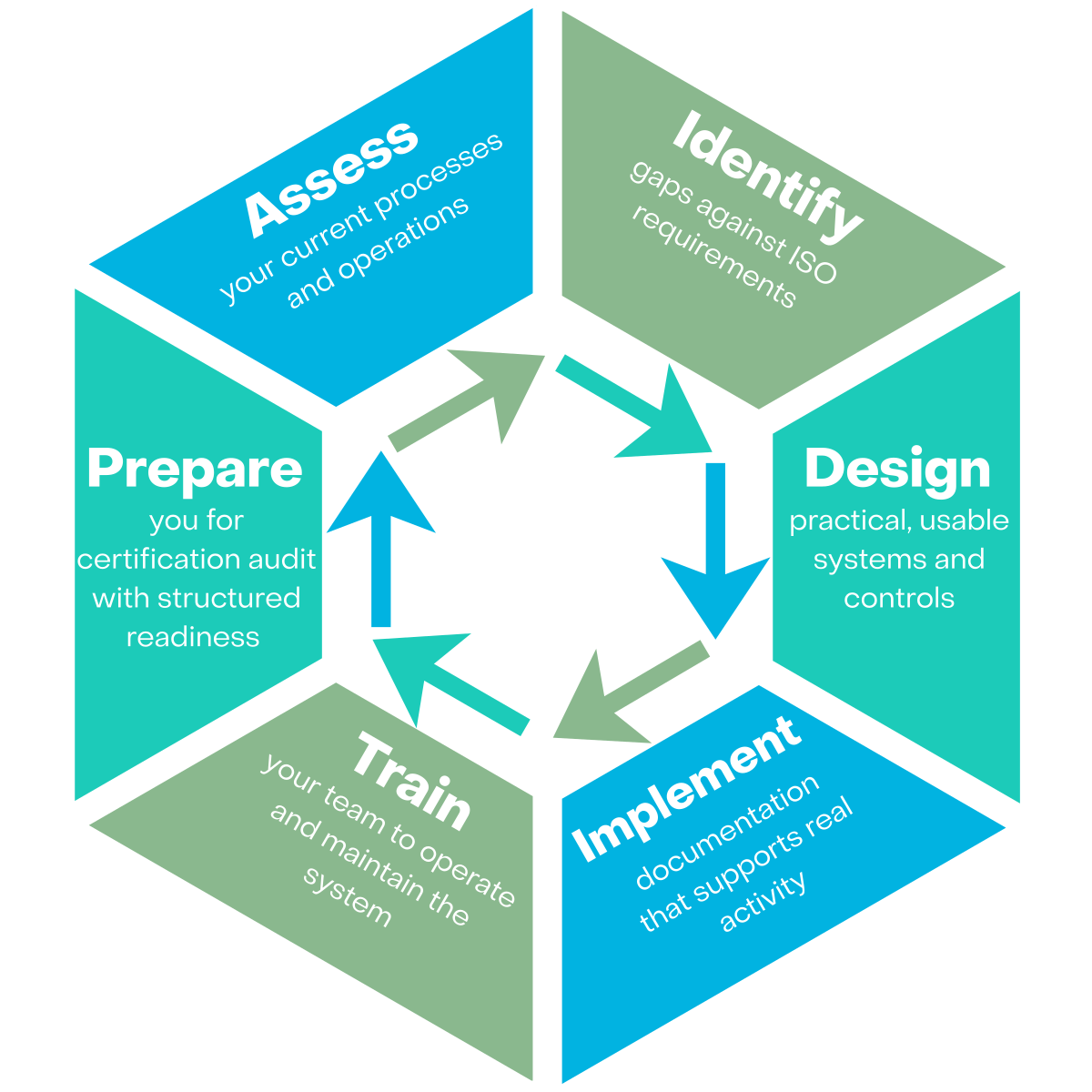
The ISO Certification Process
Every organisation starts from a different place, but the route to ISO certification generally follows the same key stages. We make each step clear and manageable, working with your existing processes wherever possible and preparing your organisation for independent certification.
01 | Choose the Right ISO Standard
The first step is identifying the ISO standard that matches your organisation’s goals or requirements. You may need certification for a tender or customer requirement, or you may be looking to improve a specific area of your business.
We’ll help you understand which standard is right for you and what will be required to achieve certification.
02 | ISO Gap Analysis
Before creating anything new, we look at what you already have in place.
Your ISO gap analysis compares your existing processes, policies and procedures against the requirements of your chosen standard. This shows what’s already working, where the gaps are and what needs to be addressed before certification.
You’ll come away with a clear understanding of your current position and the work needed to become certification-ready.
03 | Build Your Management System
Next, we’ll develop your ISO management system around the way your organisation actually works.
Rather than forcing your business into generic templates, we work with your existing processes wherever possible and develop the policies, procedures, controls and documented information needed to meet the requirements of your chosen standard.
The result is a management system that’s built for your business, not just for the audit.
04 | Implementation
Once your management system has been developed, we’ll help you put it into practice across your organisation.
This can include introducing new processes and controls, assigning responsibilities, training your team and establishing the records needed to demonstrate that your management system is working effectively.
We’ll make sure the relevant people understand their responsibilities and that the system is embedded into day-to-day operations ahead of your certification audit.
05 | Internal Audit & Management Review
Before your external certification audit, we’ll check that your management system is working as it should.
The internal audit assesses your system against the requirements of the ISO standard and identifies any areas that need attention. Your management review then gives senior management the opportunity to evaluate the system’s performance, results and opportunities for improvement.
Any issues can be addressed before you progress to independent certification, helping you approach your external audit with confidence.
06 | Stage 1 & Stage 2 Certification Audits
Once your management system is ready, an independent certification body will carry out your external certification assessment.
Stage 1 reviews your management system and assesses whether you’re ready to progress to the main certification audit.
Stage 2 looks at how the system has been implemented in practice. The auditor will review relevant evidence, processes and records to determine whether your management system meets the requirements of the standard.
We’ll help you prepare for both stages so you know what to expect and are ready for your assessment. Once the certification requirements have been successfully met and any necessary findings addressed, your certification body can issue your ISO certificate.
Ready to Start Your ISO Certification Journey?
Whether you’re starting from scratch or already have processes in place, we’ll help you understand where you are now, what needs to happen next and the most practical route towards certification.
Already Know Which ISO Standard You Need?
Whether you’re starting from scratch or have already begun implementation, we’ll help you understand what’s left to do and the quickest practical route towards certification.
How Much Does ISO Certification Cost?
The cost of ISO certification varies depending on your organisation, the standard you’re working towards and how much support you need.
Factors that influence the cost include:
- ISO Standard: The standard or combination of standards you want to achieve.
- Employees & Locations: The size of your workforce and number of sites.
- Business Complexity: The nature and complexity of your operations.
- Existing Systems: The processes, policies and documentation you already have in place.
- Consultancy Support: The level of assistance needed to develop and implement your management system.
- Certification Fees: The cost of independent audits carried out by your chosen certification body.
At Candy Management Consultants, we provide tailored quotations based on your organisation’s requirements, so you only receive the consultancy support you need.


How Long Does ISO Certification Take?
The time it takes to achieve ISO certification depends on your organisation’s starting point, the standard you’re pursuing and how much work is required before your certification audit.
Key factors include:
- Current Position: How closely your existing processes meet the standard’s requirements.
- ISO Standard: The requirements of your chosen certification.
- Organisation Size: The number of employees, departments and locations involved.
- Business Complexity: The scope and nature of your operations.
- Implementation: The time needed to introduce processes, train employees and gather evidence.
- Audit Availability: The availability of your independent certification body.
We’ll assess your current position and help you establish a realistic implementation plan, with clear steps towards certification.
Do I Need UKAS-Accredited ISO Certification?

ISO Consultancy
Candy helps you develop, implement and prepare your management system.
ISO Certification
An independent certification body audits your management system and issues certification.
Tendering for work? Check whether the tender specifically requires UKAS-accredited certification before choosing your certification route.
What Could ISO Certification Do for Your Business?

Win More Opportunities
Meet tender and supply chain requirements.

Improve Efficiency
Streamline processes and improve consistency.

Build Trust
Demonstrate independently assessed standards.
Manage Risk & Growth
Create a stronger foundation for your business.
What happens after certification?
Achieving ISO certification is an important milestone, but it’s not the end of the process. To maintain certification, your business needs to demonstrate that its management system continues to meet the requirements of the relevant ISO standard.
This involves regular monitoring, internal audits, continual improvement and ongoing assessments by your certification body.
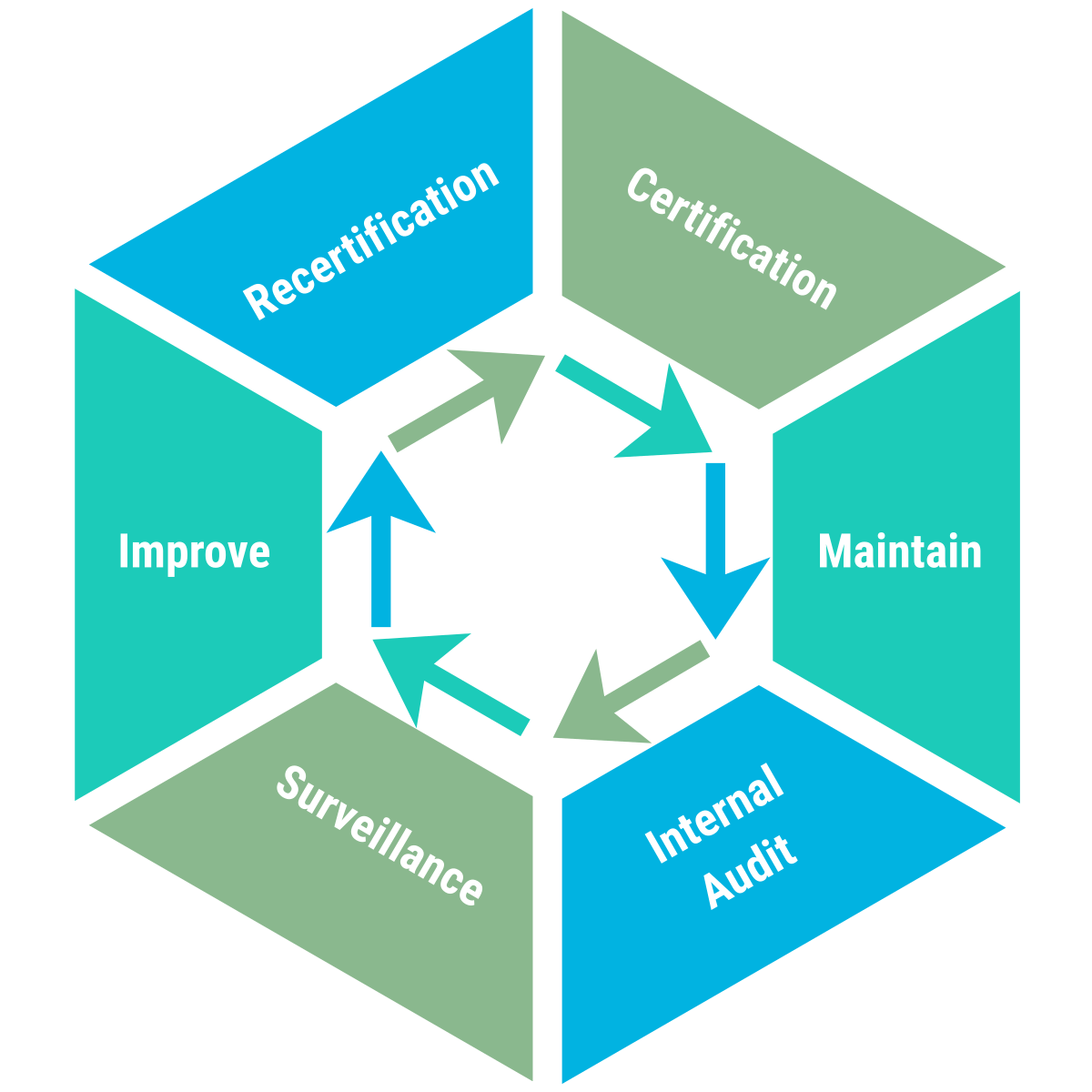
Annual Surveillance Audits
Your certification body will typically carry out annual surveillance audits to check that your management system remains effective and compliant.
Ongoing Management & Improvement
You’ll need to maintain relevant documentation, complete internal audits, review performance and make improvements as your business develops.
Recertification Every Three Years
ISO certification generally follows a three-year cycle. At the end of this period, your certification body carries out a recertification audit to confirm your management system continues to meet the standard.
ISO Certification FAQs
Ready to Start Your ISO Certification?
Whether you’re starting from scratch, already working towards certification or have a deadline approaching, we’ll help you understand exactly what needs to happen next.
✓ No-obligation initial conversation ✓ Tailored advice for your organisation ✓ Clear next steps and pricing
Get Your Free ISO Quote